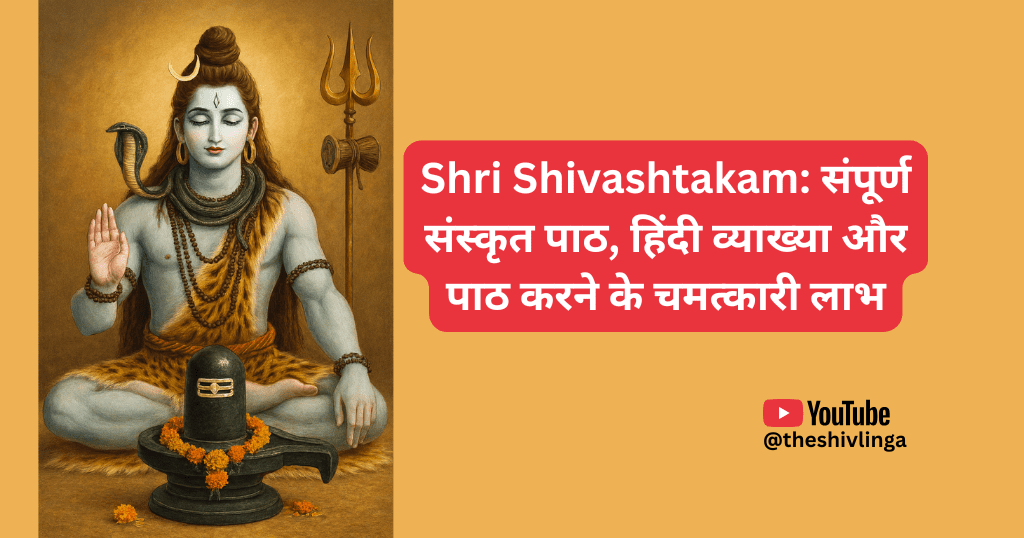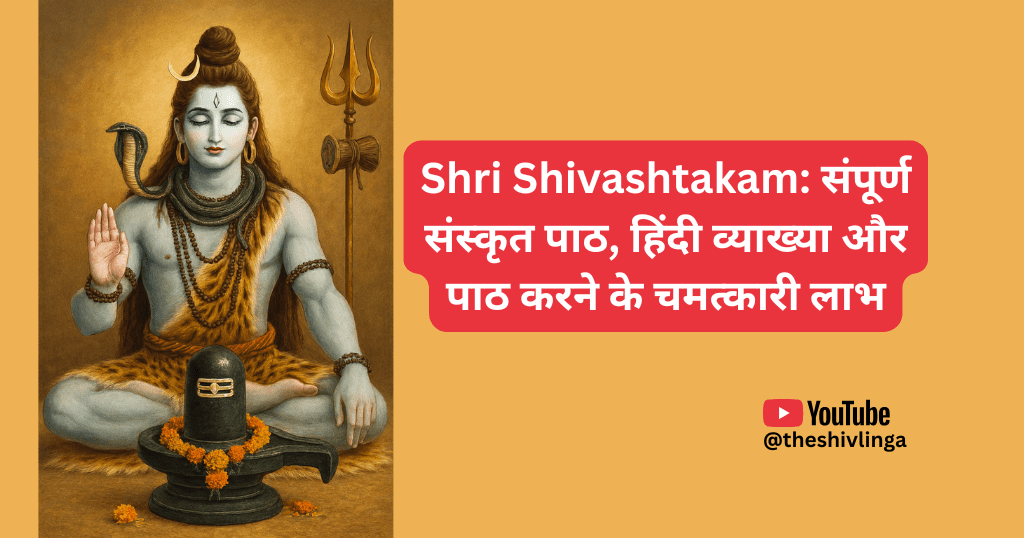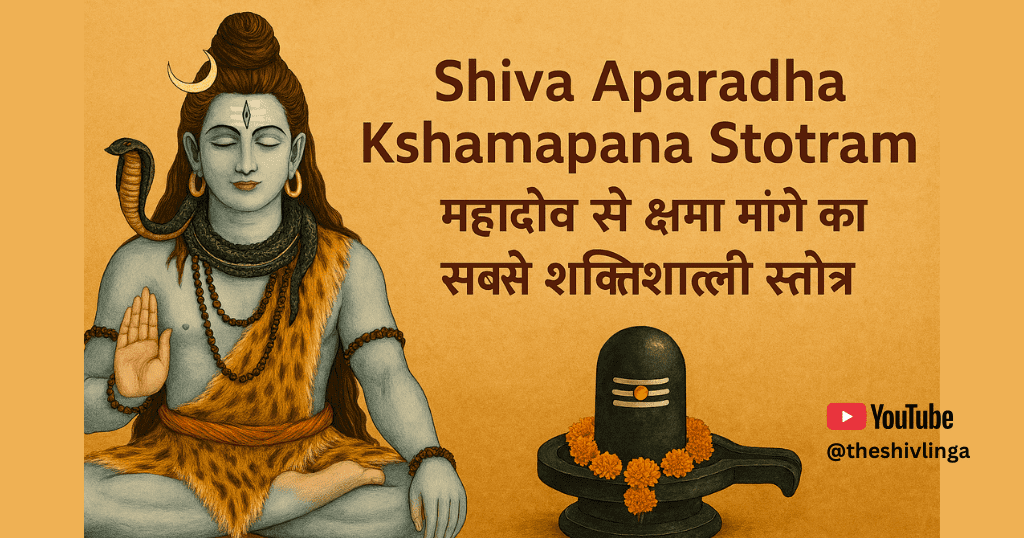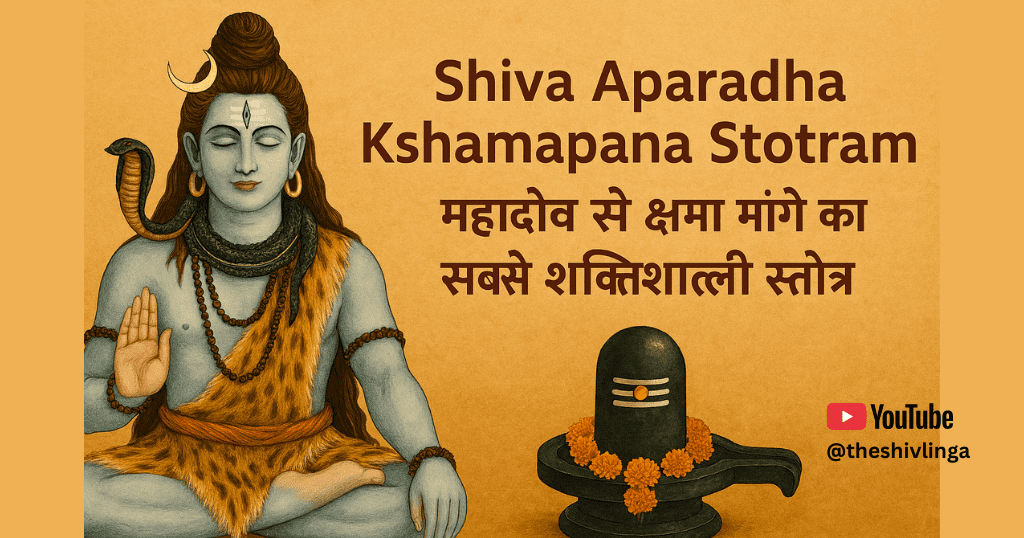
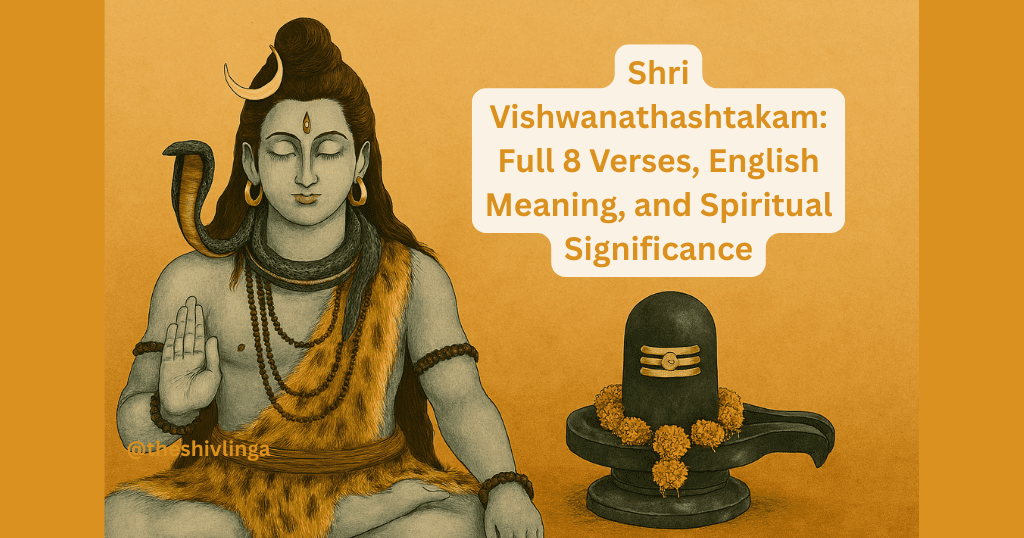
Shri Vishwanathashtakam: An Eternal Hymn to the Lord of Kashi
Kashi, also known as Varanasi or Banaras, is not just a city; it is a spiritual gateway. It is said that Kashi is the place where Lord Shiva resides eternally, and anyone who passes away here is granted ‘Moksha’ (liberation) by the Lord Himself. To celebrate the majesty of the presiding deity of this holy city, Adi Guru Shankaracharya composed the “Shri Vishwanathashtakam.”
‘Vishwanath’ means the ‘Lord of the Universe.’ This hymn consists of eight divine verses (Ashtakam) that encapsulate the essence of Shiva’s form as the savior of humanity. In the eighth chapter of theshivling.com’s “108 Shiva Stotram Series,” we present the complete Shri Vishwanathashtakam with its profound English translation and a deep dive into its spiritual merits.
The Metaphysics of Kashi and Shri Vishwanathashtakam
In Hindu cosmology, Kashi is believed to be perched on the tip of Lord Shiva’s trident (Trishul). It is the ‘Anandavana’ (Forest of Bliss). Chanting the Shri Vishwanathashtakam is like taking a spiritual dip in the Ganges. It aligns the seeker’s vibration with the energy of the Jyotirlinga at Kashi, providing the same benefits as a physical pilgrimage to the holy temple.
॥ Shri Vishwanathashtakam – Complete 8 Verses with English Meaning ॥
Verse 1: The Adorned Lord of Varanasi Ganga-taranga-ramaniya-jata-kalapam Gauri-nirantara-vibhushita-vama-bhagam | Narayana-priyam-ananga-madapaharam Varanasi-pura-patim bhaja vishvanatham || 1 ||
Meaning: I worship Vishwanatha, the Lord of the city of Varanasi, whose matted hair is made beautiful by the waves of the Ganga, whose left side is constantly adorned by Goddess Gauri, who is the beloved of Lord Narayana (Vishnu), and who destroyed the pride of Kamadeva (the God of Love).
Verse 2: The Master of Speech and Vedas Vacham-agocharam-aneka-guna-svarupam Vagisha-vishnu-sura-sevita-pada-pitham | Vamena vigraha-varena kalatravantam Varanasi-pura-patim bhaja vishvanatham || 2 ||
Meaning: I worship Vishwanatha, the Lord of Varanasi, who is beyond the reach of speech, who possesses a multitude of qualities, whose footstool is served by Brahma (Vagisha), Vishnu, and the Gods, and who is accompanied by His divine consort on His left side.
Verse 3: The Protector of Beings (Pashupati) Bhutadhipam bhujaga-bhushana-bhushitangam Vyaghrajinambara-dharam jatilam trinetram | Pashankush-abhaya-varaprada-shulapanim Varanasi-pura-patim bhaja vishvanatham || 3 ||
Meaning: I worship Vishwanatha, the Lord of Varanasi, who is the Lord of all beings, whose limbs are adorned with snakes as ornaments, who wears a tiger skin, who has matted hair and three eyes, and who holds a noose, a goad, and a trident while granting boons of fearlessness.
Verse 4: The Destroyer of Arrogance Shitanshu-shobhita-kirita-virajamanam Bhalekshananala-vishoshita-panchabanam | Dakshadhvara-pramathanaya maha-pragalbham Varanasi-pura-patim bhaja vishvanatham || 4 ||
Meaning: I worship Vishwanatha, the Lord of Varanasi, who is brilliant with a crown adorned by the Moon, who burnt the five arrows of Kamadeva with the fire from His third eye, and who is the mighty destroyer of King Daksha’s arrogant sacrifice.
Verse 5: The Ocean of Compassion Nanu nityam-avyayam-aneka-gunabhiramam Kamadi-dosha-rahitam karuna-payodhim | Samsara-duhkha-lahari-parishoshanam cha Varanasi-pura-patim bhaja vishvanatham || 5 ||
Meaning: I worship Vishwanatha, the Lord of Varanasi, who is eternal, imperishable, and beautiful with countless attributes. He is free from the defects of desire and greed, He is the ocean of compassion, and He dries up the endless waves of worldly sorrows.
Verse 6: The Formless and the Formed Tejomayam saguna-nirgunam-advitiyam Ananda-kandam-aparajitam-aprameyam | Nagadhipahi rachitam bhasitanga-ragam Varanasi-pura-patim bhaja vishvanatham || 6 ||
Meaning: I worship Vishwanatha, the Lord of Varanasi, who is full of divine light, both with form (Saguna) and without form (Nirguna). He is non-dual, the root of all bliss, unconquerable, and immeasurable. He is smeared with ashes and adorned by the king of serpents.
Verse 7: The Abode of Peace and Renunciation Ragadi-dosha-rahitam svajananuragam Vairagya-shanti-nilayam girijanuragam | Samsara-duhkha-shamanam purusham mahantam Varanasi-pura-patim bhaja vishvanatham || 7 ||
Meaning: I worship Vishwanatha, the Lord of Varanasi, who is free from attachment and defects, who loves His devotees, and who is the abode of renunciation and peace. He is the beloved of Parvati (Girija), the remover of worldly suffering, and the Supreme Purusha.
Verse 8: The Fruit of Recitation (Phalashruti) Varanasi-pura-patim stavanam pathitva Dhanyam sada-tma-manute sa tu mukti-bhagi | Samsara-sagara-tarum cha samuddharanti Varanasi-pura-patim bhaja vishvanatham || 8 ||
Meaning: One who recites this hymn to the Lord of Varanasi will always consider themselves blessed. Such a person becomes a recipient of liberation (Mukti) and is rescued from the tree of the ocean of worldly existence. I worship that Vishwanatha.
10 Miraculous Benefits of Chanting Shri Vishwanathashtakam
- Attainment of Liberation: Since Vishwanath is the ‘Mokshadayaka’ (granter of salvation), regular chanting paves the way for liberation from the cycle of rebirth.
- Karmic Cleansing: It helps in dissolving the ‘Sins of Varanasi’—the deep karmas that are otherwise hard to erase.
- Protection from Untimely Death: It removes the fear of ‘Akala Mrityu’ (untimely death) and Yama (the God of Death).
- Mental Tranquility: The verses bring the serenity of the Ganga ghats to the devotee’s mind, reducing stress and anxiety.
- Aura of Wisdom: Lord Vishwanath is the deity of knowledge (Vidya). Students can gain immense focus by reciting this.
- Planetary Relief: It is a powerful remedy for Shani (Saturn) and Rahu related afflictions in one’s horoscope.
- Fulfillment of Desires: Chanting with a pure heart leads to the manifestation of righteous worldly and spiritual goals.
- Health and Vitality: The energy of the Jyotirlinga invoked through these verses helps in healing physical ailments.
- Spiritual Awakening: It awakens the ‘Third Eye’ (intellectual and spiritual vision) of the seeker.
- Grace of Goddess Annapurna: As Kashi is the land where Shiva begs for alms from Annapurna, the devotee of Vishwanath never lacks sustenance or prosperity.
How to Meditate on Shri Vishwanathashtakam?
To get the most out of this hymn on theshivling.com, follow this simple guide:
- Visualization: While reciting Verse 1, visualize the sparkling Ganga flowing from Shiva’s matted hair.
- The Sound: Chant the words with a slight nasal resonance (Anusvara), which creates a vibration in the crown of the head.
- Frequency: Reciting it 8 times (once for each verse) daily is highly recommended for creating a permanent spiritual shift.
Conclusion
Shri Vishwanathashtakam is a spiritual bridge that connects you to the heart of Kashi, no matter where you are in the world. Adi Shankaracharya has given us a tool to tap into the infinite compassion of Mahadev. Let the name of Vishwanath resonate in your heart and lead you toward the ultimate truth.
Har Har Mahadev! Jai Kashi Vishwanath!
इसे भी पढ़ें:
शिव चालीसा : शिव भक्ति का अमृत – श्री शिवाय नमस्तुभ्यं
शिवलिंग पर जल कैसे और कब चढ़ाएं ? – श्री शिवाय नमस्तुभ्यं
शिव भगवान की आरती Shiv Aarti Shiv Aarti – श्री शिवाय नमस्तुभ्यं
शिव तांडव स्तोत्रम – श्री शिवाय नमस्तुभ्यं
Our Social Network Connections:
Facebook: Join us on our Facebook for updates
Instagram: Join us on our Instagram updates